V-line surgery.
Your questions.
Clearer answers.
Compare surgical approaches, view clinic-published case photos and plan your recovery.
Before & after.
With the details that matter.
Original photographs published by the clinics. Open a comparison to see the full image and read the procedures involved. Individual results vary.
Men's Facial Contouring — before and after
Example 1
Men's Facial Contouring
Photo context: Treating clinician: not recorded. Photograph dates / time since treatment: not recorded. Ask the clinic for these details.
Clinic photo source ↗Jawline & Chin Contouring — before and after
Example 1
Jawline & Chin Contouring
Photo context: Treating clinician: not recorded. Photograph dates / time since treatment: not recorded. Ask the clinic for these details.
Clinic photo source ↗Square Jaw Reduction Surgery — before and after
Example 1
Square Jaw Reduction Surgery
Photo context: Treating clinician: not recorded. Photograph dates / time since treatment: not recorded. Ask the clinic for these details.
Clinic photo source ↗V-line surgery starts
with your anatomy.
For some patients, a broad jaw angle dominates the lower face. For others, the concern is a wide chin, a long lower third, or a difference between the two sides. These are different starting points—and they deserve different conversations.
V-line surgery is an umbrella term for contouring the lower jaw and chin. The intention may be to create a gentler taper toward the chin, but the right plan begins with your existing proportions, bone structure and soft tissues. It is the relationship between the features, rather than one sharply pointed silhouette, that deserves attention.
Three areas.
One connected contour.
Know what is being changed.
Know why it matters to your face.
The jaw angle
The back corner of the lower jaw influences the transition from the side of the face into the jawline. Reducing a prominent angle can change that outline, but the visible width may also involve the masseter muscle. A consultation should distinguish the contribution of each before discussing bone reduction.
Explore jaw-angle reduction ↗The jaw body
The lower border connects the jaw angle to the chin. Its shape affects whether the contour looks continuous from the front and at an angle. Planning should account for bone thickness and the sensory nerve pathway, rather than simply seeking the largest possible reduction.
Understand the anatomy ↗The chin
Width, height and forward projection are separate dimensions. A chin can be narrow yet long, or broad yet underprojected. Genioplasty can address selected aspects of chin shape or position; the surgeon should explain whether narrowing, shortening, repositioning or no chin surgery best matches the intended change.
Explore chin contouring ↗What would you like
to understand about your face?
Choose a starting point for your research.
Your examination determines the treatment.
“My lower face
looks broad.”
Explore how bone, muscle and soft tissue contribute—and why they call for different approaches.
Understand jaw width ↗02 / PROPORTION“My chin feels
out of balance.”
Separate concerns about length, width and projection before comparing chin procedures.
Explore chin proportions ↗03 / FUNCTION“My bite also
doesn’t feel right.”
Learn why a bite or jaw-position concern needs a different assessment from cosmetic contouring.
Compare the surgical pathways ↗04 / A SECOND OPINION“I have had
surgery before.”
Understand the importance of previous scans, remaining bone, sensory changes and realistic revision goals.
Prepare for a revision opinion ↗Contour the outline.
Or reposition the jaw?
V-line contouring generally changes the outline of the lower jaw and chin. Orthognathic surgery moves jaw segments to address skeletal and bite relationships. The operations can influence facial appearance in different ways and may involve different professionals, preparation and recovery.
If you have difficulty with your bite, a pronounced jaw-position discrepancy, or a proposed plan that includes orthodontics, ask for a clear explanation of the functional diagnosis. A smaller-looking jaw is not, by itself, a reason to choose the more extensive operation.
Compare V-line and double-jaw surgery ↗Think in proportions.
Look beyond the after photo.
A meaningful result is a change you understand from the front, in profile, and in everyday expression.
Discuss the features you want to keep.
Your existing jaw definition, chin character and facial identity belong in the conversation. Bring references to explain a preference, then ask which aspects are realistic for your own anatomy.
Compare photographs carefully.
Lighting, camera angle, facial expression and the stage of healing affect what a photograph appears to show. Ask for consistent views and the time elapsed after surgery. Another patient’s outcome is a discussion aid, not a prediction.
Include the soft tissues.
Skin, muscle and fat remain part of the final contour. Bone reduction does not guarantee a taut surface or perfect symmetry. Discuss skin laxity, residual fullness and the possibility of a less dramatic change than an edited image suggests.
Find care in South Korea.
Read the treatment focus.
Explore the team. Start a conversation.
The clinics below publish facial-contouring services relevant to V-line research. Each profile brings together treatment context, professional information and practical questions for your consultation. International website links take you directly to the provider’s international pages.
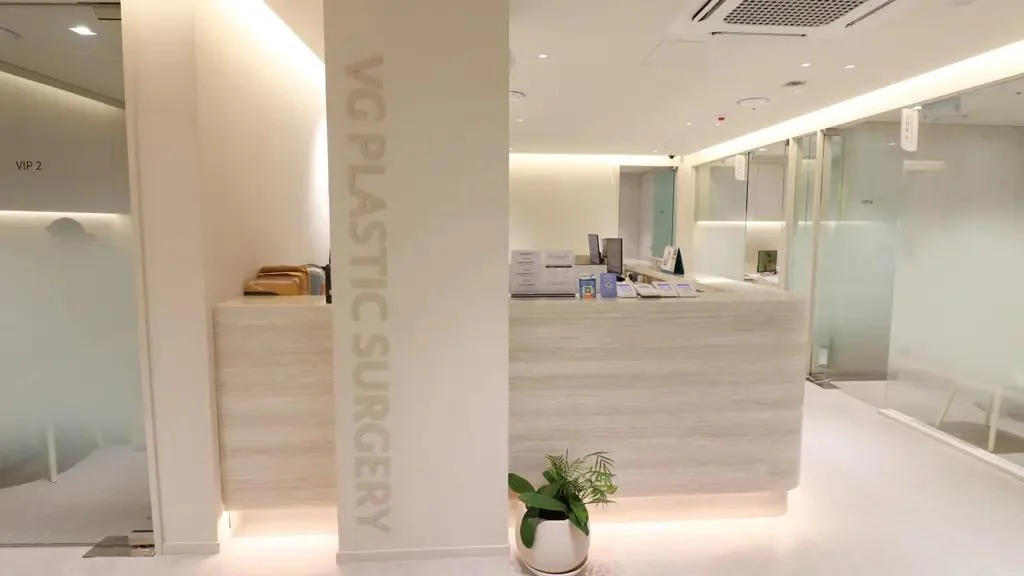
 Faceline moved on 1 September 2026. These clinic photos have not been verified as showing its current premises.
Faceline Plastic Surgery
Facial bone contouring and orthognathic surgery in Seoul, with plastic surgery and orthodontic expertise within the same practice.
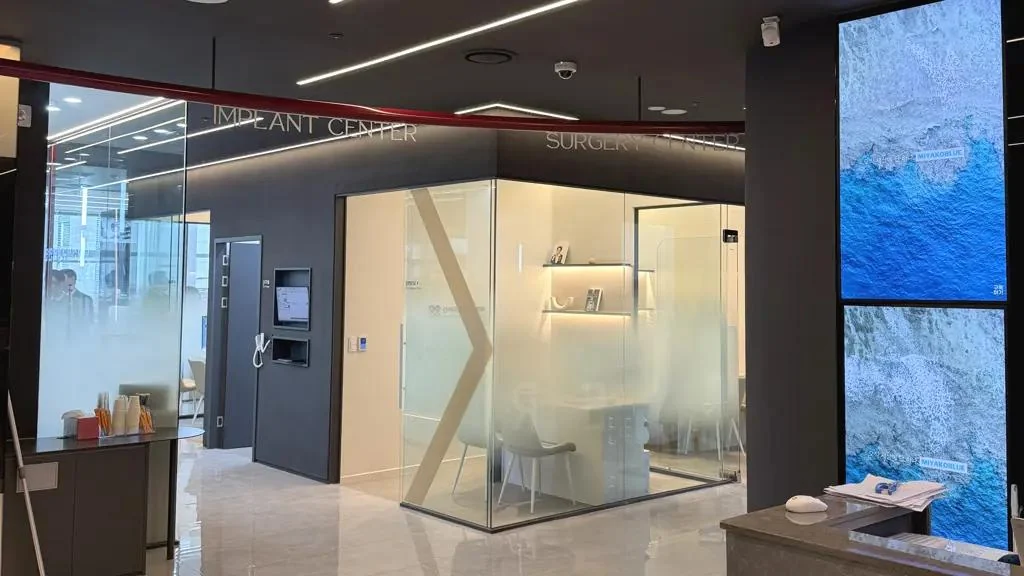
Sinsa Oral & Maxillofacial Surgery
A Changwon oral and maxillofacial practice offering facial contouring and jaw-position surgery under Dr. Ji-woong Jung.
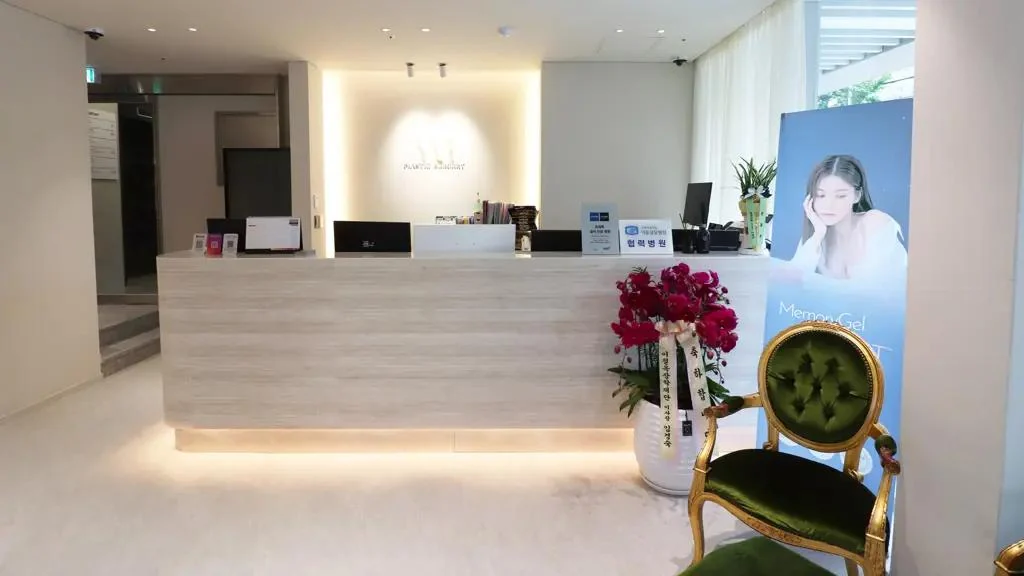
Verygood Plastic Surgery
A Seoul multispecialty plastic surgery practice with dedicated facial-contouring information, 3D CT planning and named contouring surgeons.
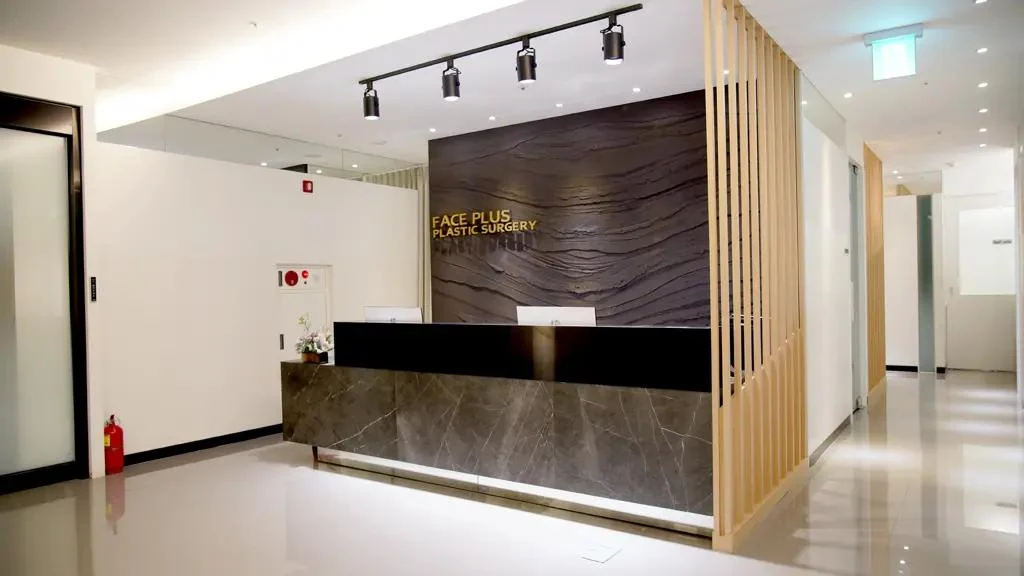
Face Plus Plastic Surgery
A director-led Seoul practice whose Korean treatment menu explicitly separates V-line, square-jaw, cheekbone and chin surgery.
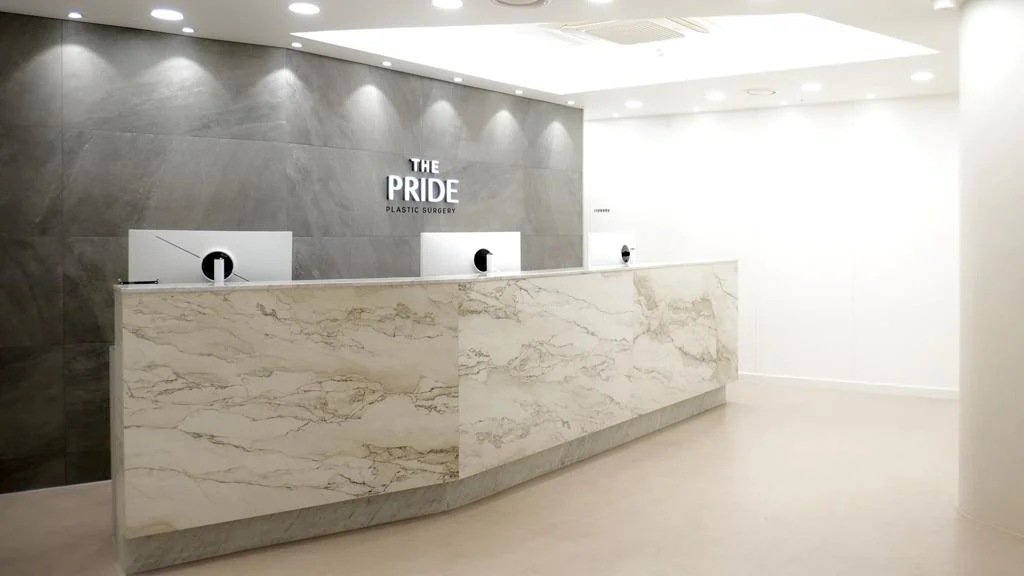
The Pride Plastic Surgery
An Apgujeong practice with separate jaw-angle, cheekbone, chin and revision-contouring services and a listed anesthesiologist.
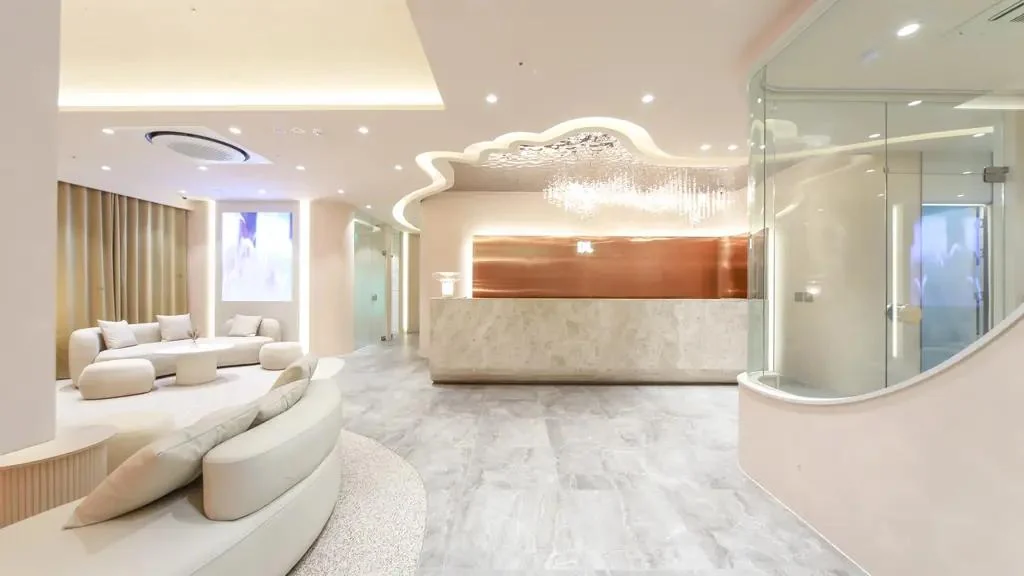
DL Plastic Surgery
A Seoul facial-surgery practice with jaw, chin and cheekbone contouring and a profile-oriented approach led by Dr. Jinwook Jeong.

TJ Plastic Surgery
A Seoul plastic surgery practice led by Dr. Tack-Jin Chang, with an explicit V-line and facial-bone contouring program.
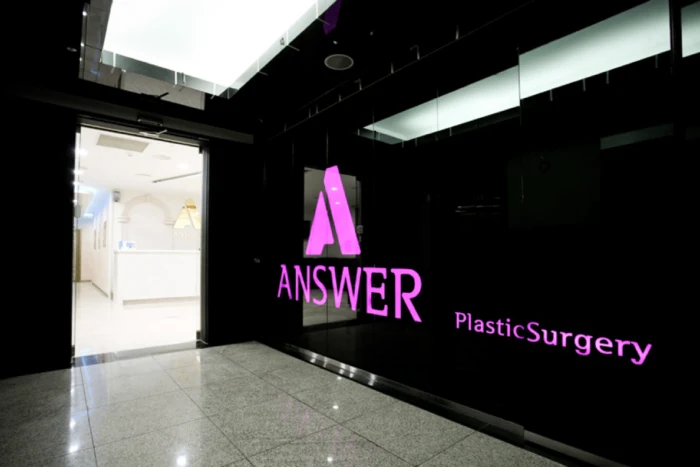
Answer Plastic Surgery
Answer Plastic Surgery in Gangnam, Seoul: published facial contouring and chin augmentation services, Dr. Min Choi and international consultation planning.
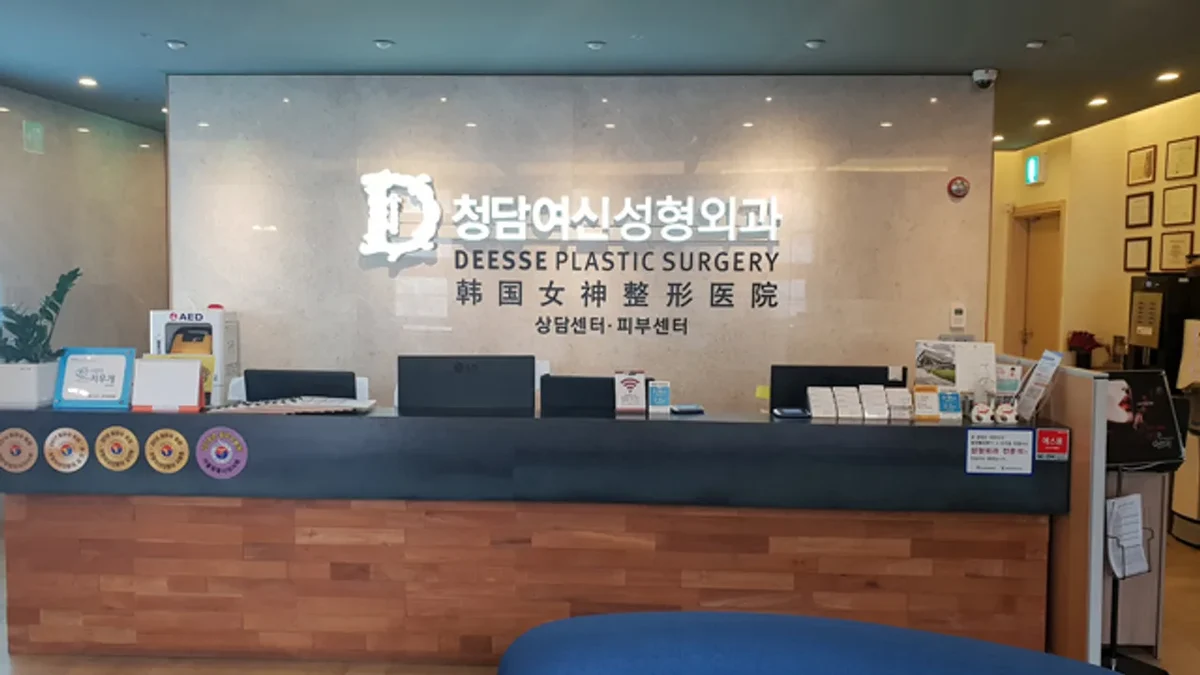
Deesse Plastic Surgery
Deesse Plastic Surgery in Seoul publishes V-line jaw reduction and sliding genioplasty services. Explore its clinic information and questions to confirm before treatment.
Get to know your care team.
A clinic name is only the beginning. Learn about the individual professional, then confirm who will assess you, perform each part of the operation and oversee your follow-up.
 Plastic surgeon
Dr. Lee Jin-soo
Faceline’s facial-contouring and double-jaw surgeon, with Seoul National University medical education and plastic surgery training.
Professional background & clinical focus ↗ Orthodontist
Dr. Lee Shin-jung
Faceline’s orthodontic specialist, relevant to patients whose lower-face concerns involve bite alignment or a combined jaw-surgery pathway.
Professional background & clinical focus ↗ Oral and maxillofacial surgeon
Dr. Ji-woong Jung
Chief director at Sinsa Oral & Maxillofacial Surgery in Changwon, with double-jaw and facial-contouring interests.
Professional background & clinical focus ↗ Plastic surgeon
Dr. Im Young-min
A Verygood plastic surgeon whose listed clinical areas include facial contouring, with training at Seoul St. Mary’s Hospital.
Professional background & clinical focus ↗ Plastic surgeon
Dr. Park Sang-wook
A Verygood surgeon listing rhinoplasty and facial contouring, with plastic surgery residency at Seoul St. Mary’s Hospital.
Professional background & clinical focus ↗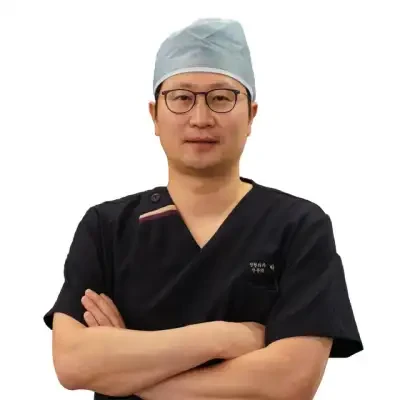 Plastic surgeon
Dr. Jung Keun Park
Director of Face Plus, with Seoul National University plastic surgery training and a practice encompassing V-line and facial-contouring procedures.
Professional background & clinical focus ↗ Plastic surgeon
Dr. Lee Dong Hun
A chief director at The Pride with plastic surgery training at Gachon University Gil Medical Center and a listed role in facial contouring.
Professional background & clinical focus ↗ Plastic surgeon
Dr. Yi Tae Min
A chief director at The Pride, with Gachon University Gil Medical Center training and an adjunct academic role.
Professional background & clinical focus ↗ Anesthesiologist
Dr. Oh Jung Doo
The Pride’s listed anesthesia specialist, relevant to preoperative assessment, anesthesia planning and recovery monitoring.
Professional background & clinical focus ↗ Plastic surgeon
Dr. Jinwook Jeong
DL’s director and plastic surgery specialist, with documented presentations on mandibular, chin and revision contouring.
Professional background & clinical focus ↗ Plastic surgeon
Dr. Tack-Jin Chang
TJ Plastic Surgery’s lead plastic and reconstructive surgeon, associated with its explicit V-line and facial-contouring program.
Professional background & clinical focus ↗ Plastic surgeon
Dr. Ahn Sung Jae
DL facial-bone surgeon with Yonsei University training, former ID Hospital facial-bone-center experience and published contouring research.
Professional background & clinical focus ↗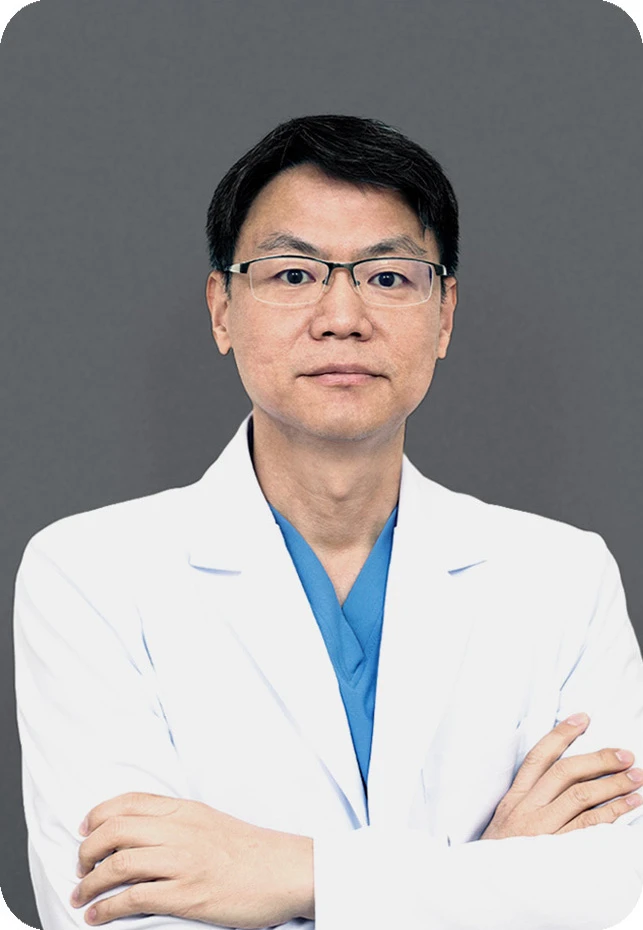 Anesthesiologist
Dr. Lee Woong-cheol
DL’s anesthesiology and pain-medicine specialist, listed separately from the clinic’s contouring surgeons.
Professional background & clinical focus ↗Depending on the proposed treatment, an orthodontist, oral and maxillofacial surgeon or anesthesiologist may also be involved. Their roles are different. Your care plan should make those responsibilities clear.
Good decisions begin
with clear answers.
Prepare for an informed consultation ↗What are the important risks?
Facial bone surgery can involve bleeding, infection, changes in sensation, asymmetry, contour irregularity and anesthesia-related complications. Some sensory changes may persist. The exact risks depend on the procedure and your health; ask the surgeon to discuss them in relation to the actual plan.
How are the nerves and bone assessed?
Ask how the sensory nerve pathway and available bone will be evaluated, which imaging is needed, and what limits the proposed reduction. A plan should explain the boundaries as clearly as the intended improvement.
What happens if recovery is not straightforward?
Know who monitors you after surgery, how to contact the team outside ordinary hours and where urgent problems will be treated. Clarify the follow-up and financial arrangements for additional care before paying a deposit.
Read more about sensory changes ↗The result is a journey.
Recovery deserves its own plan.
Everyday function, internal healing and the visible contour recover at different speeds. Plan around clinical milestones and your own progress, with flexibility for additional reviews.
Rest. Observation.
A clear handover.
Before discharge, understand your medicines, mouth care, food instructions and warning signs. Arrange support and a reliable way to reach the treating team. Ask what must be checked before you leave the facility.
Your first night ↗Small routines.
Steady support.
Swelling, limited mouth opening and changes in appetite may affect ordinary tasks. Suitable meals, hydration, rest and scheduled reviews matter more than fitting sightseeing into your itinerary.
Eating during recovery ↗Work. Movement.
Your own pace.
Being comfortable on a video call is different from being ready for vigorous exercise or a long journey. Discuss each activity separately with the team. Build extra time into commitments you cannot easily change.
Plan your return to work ↗Follow-up.
A settling contour.
The early appearance is not the final result. Keep follow-up appointments, document persistent concerns and compare photographs consistently. Ask when your surgeon considers the contour mature enough for a meaningful assessment.
Assessing the longer-term result ↗Seoul, with time
to take care of yourself.
Let the clinical schedule shape the trip.
A visit for facial surgery needs more flexibility than a holiday. Start with an examination and an individual proposal, then build the itinerary around the appointments and support that your team recommends. Confirm the location: most profiles here are in Seoul, while Sinsa Oral & Maxillofacial Surgery is in Changwon.
Prepare your surgery-trip checklist ↗Before you book
Share your medical history and previous procedures. Confirm the consultation language, the named surgeon, what imaging is required and whether the online proposal could change after examination.
Where you recover
Choose accommodation with practical access to follow-up, suitable food and help when needed. Confirm whether a companion is recommended and what support is actually included.
Before flying home
Ask the surgeon to assess the full journey, including transfers and flight duration. Obtain individual clearance and a plan for concerns after departure. A preset flight date does not establish medical readiness.
Back at home
Keep your operative report, medication list and relevant imaging. Clarify remote follow-up, who can examine you locally and how your care teams will communicate if a problem arises.
A complete quote.
A clearer decision.
“V-line surgery” can describe different combinations of procedures. Compare the actual operation and care plan before comparing the headline price. Request an itemized written quote and keep a separate budget for your stay and possible changes.
Named surgeon, exact jaw and chin procedures, anesthesia, facility fees and any fixation materials.
Consultations, imaging, investigations, observation, medicines and planned postoperative reviews.
Accommodation, meals, companion costs, transport, interpretation and flexible travel arrangements.
Extra appointments, an extended stay and the terms for additional treatment, cancellations or revisions.
Is V-line surgery the same as jaw shaving?
The terms overlap in everyday marketing but do not reliably describe the same operation. A proposal might include angle reduction, work along the mandibular body, or a chin osteotomy. Ask for the exact procedures and a diagram of the planned changes, rather than relying on the package name.
Will I need both jaw-angle and chin surgery?
Not necessarily. The answer depends on the sources of the contour concern and your goals. A wider angle does not automatically mean the chin needs changing. Ask what each proposed component contributes, and whether a more limited plan could address your main concern.
Can I choose my shape from a photograph?
A reference photograph can explain a preference, but your bone, nerve position, skin and existing proportions determine what is feasible. Ask which elements of the reference are achievable, which are not and what the trade-offs would be.
Could a nonsurgical treatment be more appropriate?
Some concerns involve muscle prominence, soft tissue or limited chin projection rather than bone width. Nonsurgical treatments have their own indications and risks and do not reproduce every change possible with bone surgery. The examination should identify the structure involved before selecting a treatment.
How long should I stay in South Korea?
There is no single stay length appropriate for every contouring operation. Ask for the expected in-person review schedule, what has to be checked before departure and how extra visits would be arranged. Keep your accommodation and flight plans flexible enough to respond to your actual recovery.
How should I choose a clinic and surgeon?
Compare the relevant professional background, the proposed anatomical changes, anesthesia arrangements and follow-up plan. Confirm who performs the surgery. A useful consultation explains limitations and alternatives as clearly as possible improvements.
Can I contact a clinic directly?
Yes. The clinic links on this page open the international websites supplied for each provider. You can use their available contact channels to ask about your goals, professional assessment and an individual treatment proposal.
Begin with a conversation.
Choose with confidence.
Bring your questions, your priorities and your own idea of balance.
Explore a clinical team and take the first step toward a personal assessment.
Your U.S.-to-Korea care plan
A complete plan connects the consultation in Korea with the return journey and care near your U.S. home. Keep the decision about surgery separate from the attraction of a travel package.
Before paying a deposit
Compare the proposed procedure and alternatives, identify who will operate, and ask what has to be assessed in person. Arrange a pretravel discussion with your usual clinician where appropriate.
Prepare surgeon questions →Two currencies, one budget
Keep the original KRW quote alongside dated USD planning figures. Include travel, support, follow-up at home and a longer stay if plans change.
Build your complete trip budget →Coverage in both countries
Ask your U.S. health plan and travel insurer separately about the operation, complications, evacuation and care after your return. Keep their written answers.
Check coverage questions →Care after returning home
Confirm the role of the Korean team and any receiving clinician in the United States. Arrange records and costs before travel; remote contact does not replace an examination when one is needed.
Arrange the handover →Plan the full flight itinerary · Check medicine arrangements · Save emergency contacts for both countries
U.S. planning information updated November 14, 2026. Clinical suitability, travel clearance and insurance coverage require individual confirmation.